-

Do more to improve your score - With Ignite by Hatch™! Newly released scores from the National Assessment of Educational Progress, often referred to as the Nation’s Report Card, show that fourth graders have lost ground in reading and Math— not just compared with the status quo of 2019, but also the most recent round of the exam, which was conducted during the heart of the pandemic. -
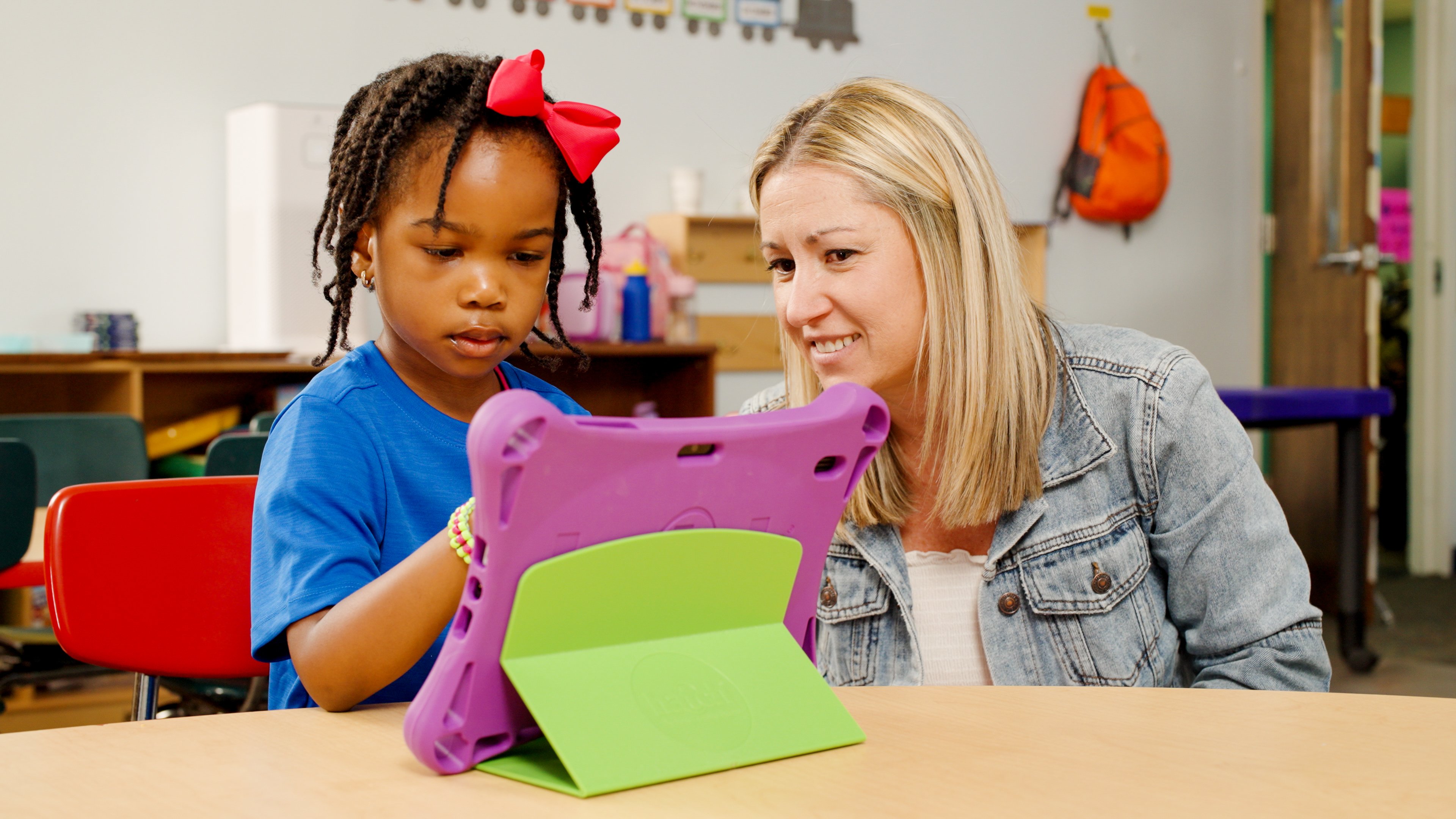
In the early years of a child’s life, building literacy skills is critical for long-term success. We sat down with Dr. Angela M. Wiseman, Associate Professor of Literacy Education at North Carolina State University, to discuss the importance of early literacy and how Hatch Early Learning’s Ignite by Hatch™ platform is designed to support children’s literacy development. -

In the realm of education, the relationship between school administrators and teachers is crucial for creating a thriving learning environment. However, this relationship can sometimes be strained due to differing perspectives, goals, and responsibilities. One powerful strategy to bridge this gap and foster a more cohesive school community is collaborative reflection. By engaging in reflective practices together, administrators and teachers can enhance mutual understanding, improve communication, and work towards common goals. -

When the school year winds down and summer approaches, early childhood educators and administrators have a unique opportunity to foster a love for reading and support foundational literacy skills in young children. One innovative way to achieve this is by encouraging families to start a summer book club with their little ones. -
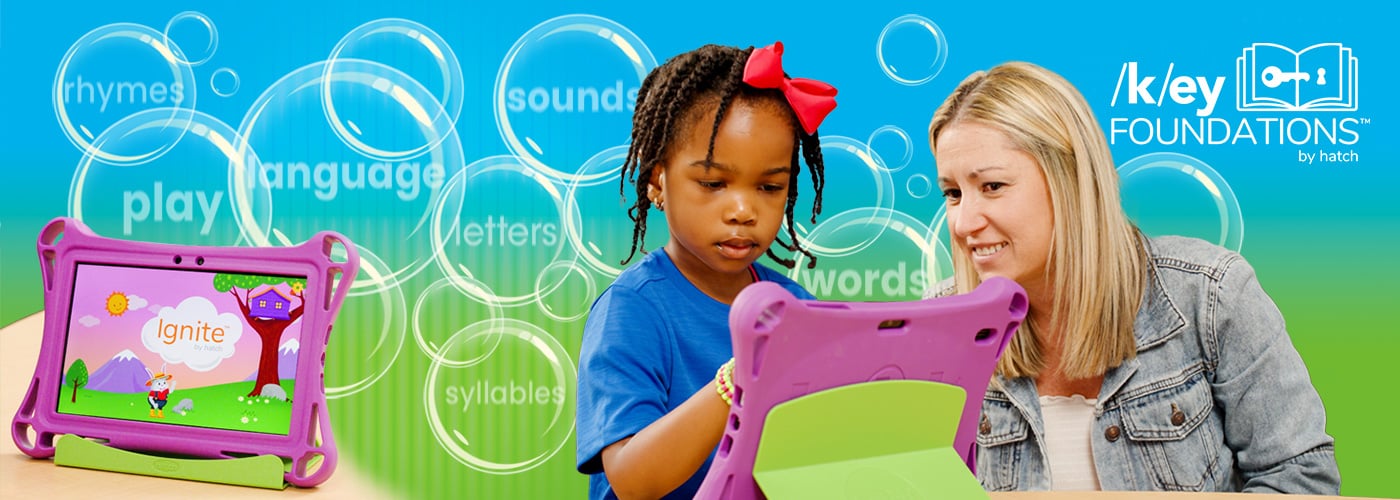
Fostering key literacy skills is important for laying a strong foundation for a child's future academic success. As educators, it's crucial to understand the key elements of literacy instruction to ensure that learners not only learn to read but also learn how to comprehend, analyze, and engage with written words. Seven key early literacy skills that set children up for literacy success are listening, oral language, vocabulary, phonological and phonemic awareness, phonics, fluency, and comprehension. -
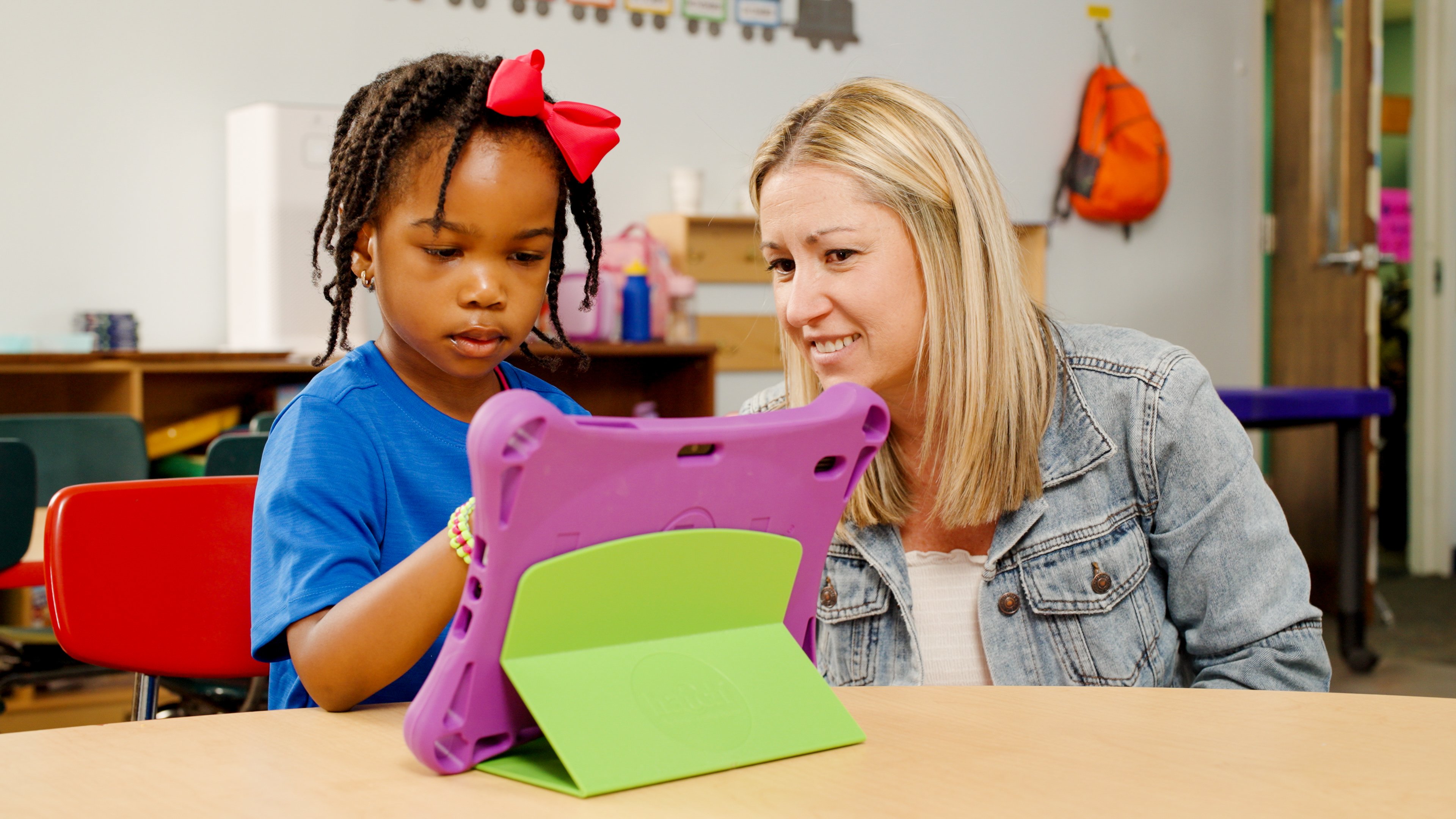
In today's digital age, incorporating technology in early childhood classrooms has become increasingly common. However, not all digital learning tools are created equal. It's essential for educators to choose high-quality resources. -

Children love to play games, from hopscotch to Go Fish. Games are fun, engaging activities—and early childhood educators can utilize children’s love of games to help them learn. -

What a difference a summer makes! For the second summer in a row, pre-K students in Georgia utilized Ignite by Hatch™ to jump-start their learning and ignite school readiness. Ignite is a developmentally appropriate and research-backed digital learning tool for early learners. -

Family and parent involvement is a crucial part of any child’s early education. Caregivers may not think of themselves as teachers, but they play an important role in their child’s lifelong learning. While schools provide rich learning environments for children, we know that parents and families are a child’s first and most important teacher.